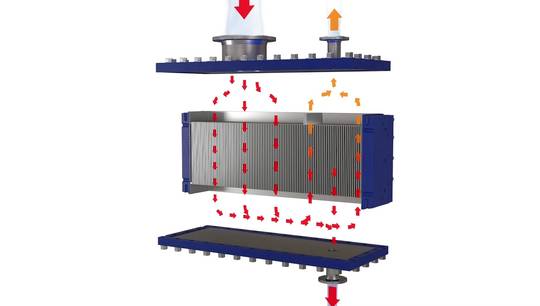
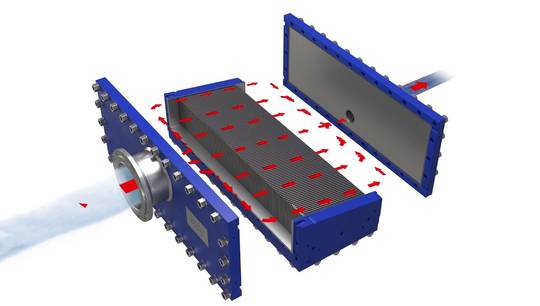
Compabloc
Alfa Laval IDTC 2016 presentation
345 views
View transcript
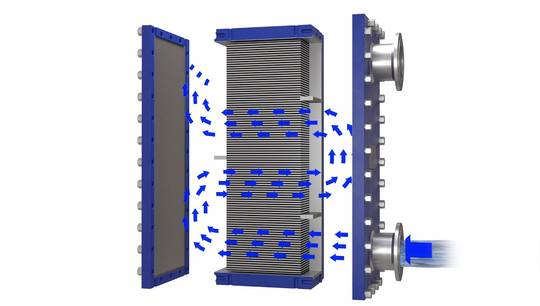
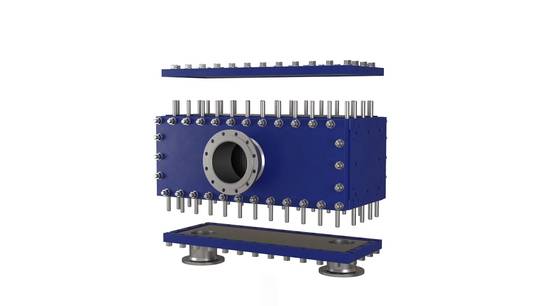
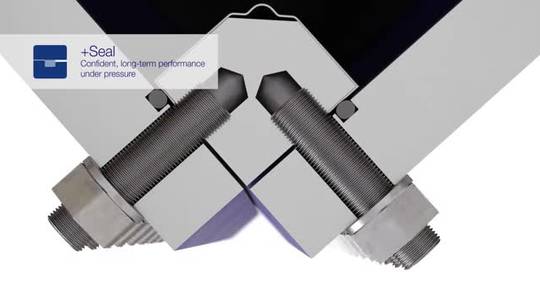
[Music] [Music] hello everybody thank you first of all thank you very much for your attention my name is Francisco and we are going to speak about how much machine the ability and performance of the preceding training of in concrete our experience our company in the irregularity located in Kahana the content of the representation is this a bit of offender in the background and the solution proposed by the referendum these little videos with our customer the fact that word adhesive in the decision taken by the client the project I mean the installation of the heat exchanger in the unit and after my colleague era we will finish with the performance of this exchanger that due to the result we we are doing the same for edu for what katakana refinery is starting in the year 1950 under the name of Griffin area [Music] it was design for 4.5 million of time per year the distillation unit 3 water started in 1964 in 2010 as part of the system process unit capacity around 66 million of total year during a general presentation our problems with people producing ethanol refinery in February of 2015 and we talked some about some problem they have to la cita change this toll has over her condition in the preheating train the system configuration was to buy two units in Canada still due to the processing of cabinetry our customer at falling on back outside and hawkgirl soon forced to write you every six month and you can see in this picture the magnitude of the problem after several meeting with our customer some person placed on we from the opportunity to pursue another solution it won't taste in our own leisure whether the changer compared the main advantages of this heat exchanger are the problem first of all is the compact designer like way the 2.9 square meter from footprint for 850 SPF the transfer area that is equivalent to 44,000 square meter in 200 feet a change in means 5 to 10 this flew that way compared to sell until we're the solution it means less Dyson cost we can get approached and personal approach with this type of heat exchanger until three to five degrees in heat transfer area is three to five times less and in a to the changer this this type of heat exchanger in criminality and the cost is very competitive this compound has fullest ability on both sides for in special Princeton and removable panels and playback for the Kundalini they find two blends mandamus is the following and allowed to opera number before Lent in his field it can be this material can be done in one to three days and finally it is possible to handling horse and abusive media because there are no sweeter play basket and the material of the plane is corrosion free well this this is the solution that we present to our client in March of 2013 it was to replace the system fortunately that's engineered operation two by two in series and two in parallel by two compartments in operation and a third one is not by unit as you can see the lower pressure drop only 1/2 that the two layer solution and Norfolk intensive reduce the operating pressure under : and therefore the temperature but we will cover this panel after with my colleague on the material of construction and was operated from Palestine to hostel on c2 services with with camera still customer has to to change the abundant every else's mom but with hostel or without aspect or also for this service for this family Duty we need as you can see she unit with 161 as per meter if that is more or less four times list of the system to block with a changer finally of course size and weight are also drastically reduced well in order to feel to solve people more comfortable with with the choice of this technology for this critical service we know kinases are referring visit to refinery where has three Campari first column of the convention and to our company as main fractionator column over the convention in operation since 2008 with a very good performance people from hundreds to visited this reference belongs to maintenance the problem after the referenda she made the decision to offer a solution and the reason of this decision and we find the reduce portal problem with the current configuration that they had in their family it was possible to install I was booted system that is possible with our solution possibility to clean without impacting recovery because without one you need a system and as the pressure and the temperature in the energy saving we produce more often with a dissolute with a favorable market and finally as we area needed to in the services is lower we can allow to to upgrade the metallurgy at was possible cost this is the project we received an official request for quotation on February of 2014 one month later we received a purchase order with a commitment to supply the unit before a general certain stolen in refinery in make mode and finally in September of that year we supply a low supply unit after a finale special with our way in our war shop you can see in this picture the different of the registration size for for Salon pew penis in the left side and in the right side and now my college server is going to speak about that [Music] okay so after the implementation of the compatible heat exchangers in the overhead convincing system in Kakinada finery we have been following up with the refinery and we have been receiving operating data from them to help them analyze the performance of the exchangers so what we are looking at here are the pressure drop all the overhead condensers and as we explained already there are two exchangers in operation and one in standby and he cut the ham and they are continuously rotating so that the three exchangers are continuously in operation - in operation one in standby and after a few months they rotate so another two exchangers are in operation and one in standby so what you will see here is the overall trend of the heat exchangers in operation on the pressure drop site and you see it is over 14 months operation and the pressure drop is very stable the measured pressure drop over the whole overhead system is around 25 kilo Pascal but as you can see on the heat exchanges that are not in operation the inlet pressure to these changes is almost 15 kilo Pascal which means if we looked at the different exchanges that are in operation unit a unit B unit see the little pressure drop over the heat if only between 10 to 20 kilo Pascal as per the design conditions this is based on the operating rate of 585 ton per hours and as you can see in this graph there is no development there is no increase in pressure drop over time so during this period when they have been operating the company exchangers no cleaning has been needed this is a graph we have received directly from a Repsol and this is showing the impact that the lower pressure drop in the overhead system has on the pressure of the flesh zone of the distillation column so the blue scattered dots is the pressure of the flesh so and when they should Jews were in operation and their ribs scattered dots is they are the pressure of the flesh stone when they come up heat exchangers are in operation so in general the pressure in the flesh zone is reduced with O'Quinn's 3 bar which means just like Antonio mentioned that the pressure in the column is reduced so it's the temperature which means overall energy savings in the distillation column another parameter which was important for Repsol in deciding to go for this solution was to be able to have a constant degree of energy recovery because there was no no need to take out any heat exchanger from operation and this graph shows the outlet temperature of the crude from the compatible heat exchangers so as you can see again over more than one year of operation there has been no drop in temperature from the truth being preheated so it has been a constant heat recovery from these heat exchangers another important factor for regrets on what's the possibility to condense more nasta to produce more naphtha which had a higher value on the market in comparison to Cairo and this is another graph that we have received from Renzo and it shows here the temperature of the 95 percent of NAFTA in the overhead system from the atmospheric NAFTA and from before with the use of the shell and tube heat exchangers you can see that the temperature in this nut that was about 135 degree C but after the installation of the compatible heat exchanger this temperature dropped with more than 10 degree C down to just about 125 degree C so again a temperature drop in the top of the column plus the splits between and not and the camera cuts has increased with five degree C so it's possible for them to recover more NAFTA which has a higher value on the market so because of the good advantage of using the pop-up of Technology in the CDU three top in unit in Katherina Katherina refined we decided to do the same revamp the same retrofit in the 82 for topping units so 80 you for topping units in this one did there is 24 megawatts of energy recovered from the overhead vapor into the crude and the crude is preheated to above 75 degrees C in these exchangers originally there were four ships and they were suffering from the same kind of corrosion problem and following problem on the vapor side as in the eq3 topping unit and they will now be replaced with four palpable heat exchangers and again it is with the same philosophy of having three in operation and one standard unit if any need for operating from doing cleaning during operation and again the same philosophy deciding these multiple heat exchanges with a lower pressure drop on the vapor side to be able to reduce the whole pressure in the column and thereby save energy and also to be able then is more NAFTA for more recovery of NAFTA Ogikubo the material is again upgraded to Hastelloy materials so it's hostile I see 276 over the original shampoo heat exchangers in carbon C and here you can see again the comparison of the solution in terms of area so again around four times less heat transfer area and this is very typical what you see when you replace General tube heat exchanger for condensing services with place type of heat exchangers and with the smaller heat transfer area and the work compact assembly you also see the redo reduce size for installation and in this case you will also see the difference in flooded waves so of course in a new unit you will also save a lot of money on your installation costs because construction can be much smaller and it doesn't need to carry the full weight of shell and tube heat exchangers in this case again it's a rebound but for a new unit if you start with a plate technology just gives you an indication on what you can say in installation process so for a tu-4 cut the hair and refinery just rented as beginning of this year the purchase orders this exchange of short in operation yet but we hope maybe next conference we will be able to present to you also the result from these heat exchangers and we are also discussing cut the henna refinery other opportunities to use our heat exchangers in their refinery mainly for energy efficiency but also for fouling mitigation and extending the run links in between in the maintenance so to summarize the presentation and the solution that we were proposing in this case was wealthy type plate heat exchanger from a Pocomoke heat exchanger and with this kind of technology it was possible for the refinery to maximize the production or the yield of the nasta which was a more valuable product on the market they could also increase the availability they could run for a longer period before they had to do maintenance cleaning they also minimized their energy cost and by being able to reduce the pressure the overall pressure in the column and their eye also the temperature in the column because of the upgrading to a higher material they also improved the reliability I mean before having to change the two bubbles every six months period and now having a plate material that will not see any corrosion problem in the service means better sleeping at night and finally there is also capex savings because doing the same kind of upgrading in plate material but doing it for the true bundle would be much more expensive and especially so if you would to also reduce the pressure drop because then you would need to add additional shell to heat exchangers in parallel to the existing ones so by going for a new technology there were also traffic savings in this project and this is the reason why today this technology is becoming more and more a sandwich solution for overhead condensing services include preheat strain there are today more than 70 units in operation for recovering energy from overhead vapor into crude and there are another 40 heat exchangers used only for the trim cooling the trim condensing for no heat recovery so thank you very much for your attention and hope to hear or to see some interesting questions from you guys from the app thank you very much [Applause] [Music] you